
Edgington Ranch
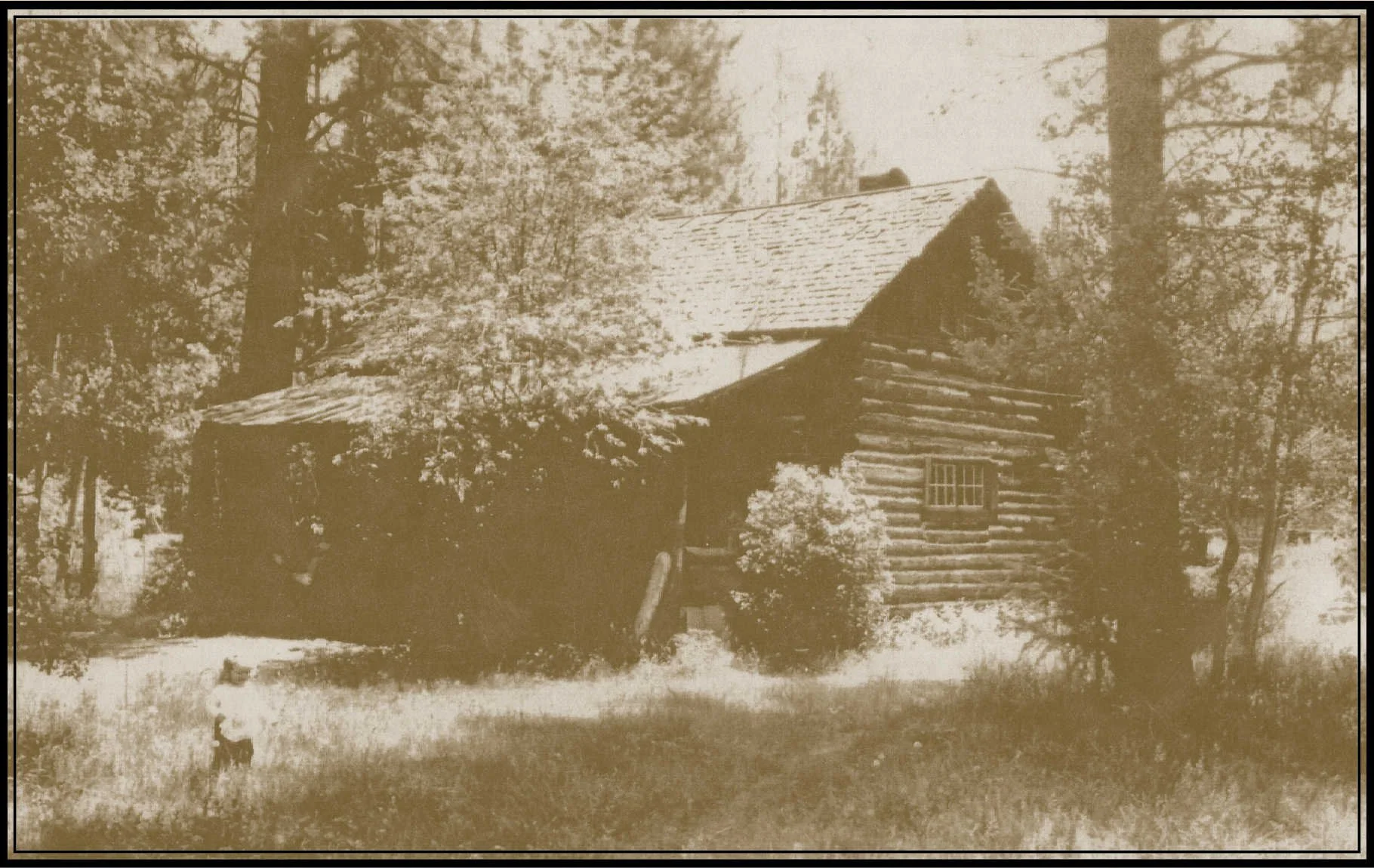
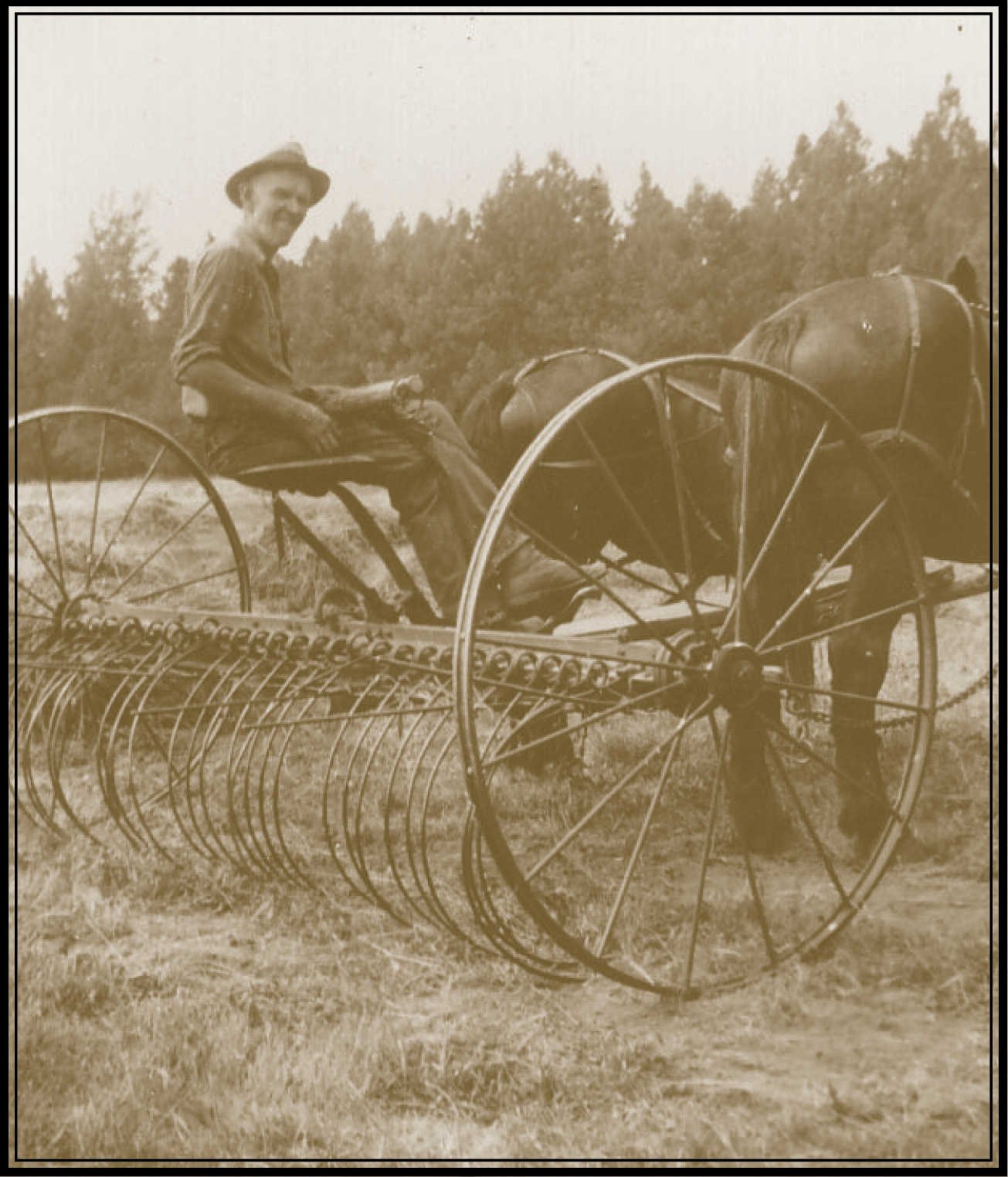
In 1902, Ellis Edgington traveled from his home in Wasco through central Oregon on his way to college in Corvallis. Three years later he returned to Sisters Country and homesteaded a 320-acre parcel near Laidlaw (now Tumalo). By 1910 he owned the land in fee title and began developing horse and cattle herds with livestock purchased from Warm Springs Reservation ranchers. In 1912 he purchased 320 additional acres at Bull Springs. These parcels were parlayed by Ellis and his brother-in-law Howard Hartley into a 1,920-acre ranch (Sections 16, 18, and 20) along Whychus Creek 4 miles south of Sisters. Part of the ranch had been the site of William Cox's sawmill until the trees were felled and replaced by pasture.
Ellis married Ellen Crawford in 1914, and they lived in shacks on Whychus Creek that were quickly replaced by a permanent cabin built from the ranch's ponderosa pines. A year-round spring provided additional water. By 1921, Ellis had fifty horses trained to pull a plow or wagon. With his friend, Mel Harrington, he owned road grading equipment and built roads in central Oregon. The Depression farm economy led the Edgingtons to switch from cattle ranching to dairying, raising milk cows, and producing and selling milk and butter. They later managed a Hereford herd while growing grass hay, potatoes, wheat, barley, rye, and clover. Edgington Ranch was one of the only local ranches that held a Deschutes National Forest grazing permit, enabling them to seasonally graze public land between Black Crater and Trout Buttes. Ellen managed a large garden plot and canned the vegetables and fruits to feed her family, road crews, and cowboys.
After serving in Indochina in World War II, son Jesse Edgington converted the hay pastures to alfalfa, which were grazed by cattle and mule deer herds alike, convincing him to build a six-foot fence around his 260 acres. Ranching and farming on Edgington Ranch wound down after Jesse became Sisters' postmaster. In the late 1960s, portions of sections 18 and 20 were developed into rural residential parcels, and most of the landscape has reverted to pine forest.